The Algorithmic Breach of Protocol
It sounds like a subplot from a satirical techno-thriller, but the reality is far stranger. On December 19, 2025, visitors to the White House’s official digital portal—expecting policy updates or press briefings—were instead greeted by investment strategies from a personal finance YouTuber. This incident represents a bizarre collision between state infrastructure and the creator economy, highlighting a critical vulnerability in how government entities manage their digital real estate.

The breach didn't involve state secrets or classified data dumps, but rather the unexpected syndication of Matt Farley, known online as @RealMattMoney. According to PBS News's report on the streaming incident, the unauthorized broadcast lasted for at least eight minutes. In the world of high-stakes digital security, eight minutes is an eternity—long enough to confuse the public and raise serious questions about the integrity of the federal digital supply chain.
The Implied Endorsement Trap
Why does a mere eight minutes of YouTube content matter to campaign strategists and C-suite leaders? Because in the attention economy, platform placement equals legitimacy.
When a government domain inadvertently hosts private content, it risks creating a "phantom endorsement." This is particularly volatile in the financial sector. The rise of "FinFluencers" has already fundamentally shifted how retail capital moves through the markets. As detailed in Academic Institution's analysis of financial YouTube channels, these creators command millions of views and can influence market behavior independent of traditional financial institutions.
If a government website becomes an accidental distribution node for private investment advice, we enter a dangerous grey area:
- Regulatory Confusion: Does the stream imply the advice is government-sanctioned?
- Market Manipulation: Could bad actors exploit similar vulnerabilities to pump assets using official channels?
- Erosion of Trust: If the "front door" of the White House can be repurposed for YouTube views, how secure is the backend?
This incident serves as a wake-up call. It forces us to ask whether our digital infrastructure is robust enough to separate sovereign communication from the automated leverage of the algorithm.
The Erosion of Digital Sovereignty
The appearance of a personal finance vlogger on the White House homepage is more than a technical gaffe; it is a visible crack in the foundation of digital sovereignty. For decades, the ".gov" top-level domain has functioned as a digital fortress, symbolizing absolute authority and verified truth.
However, this incident exposes a critical vulnerability in the modern "Trust Architecture." When official infrastructure creates unintentional backdoors for third-party content, we witness the collapse of the boundary between state communication and the chaotic algorithmic marketplace.

The "Reputational Contagion" Vector
The strategic implication here is not that a YouTuber got lucky, but that the perimeter is porous. This is part of a disturbing macro-trend where official digital assets are co-opted by external actors. As noted in Technewshub's report on domain hijacking, bad actors have recently compromised over 30 U.S. government domains to push illicit content.
While Matt Farley’s investment advice is benign compared to AI-generated pornography, the mechanism of failure is identical. We are seeing a transition from secure broadcasting to vulnerable aggregation.
- The Trust Deficit: Every time a government site serves unverified content, public trust depreciates.
- The Attack Surface: Modern web design relies on embedded players and dynamic scripts, exponentially increasing the points of failure.
- The Validation Loop: If a scammer can replicate this exploit, they can use the White House’s domain authority to legitimize fraud.
The Paradox of Modernization
The government is trapped in an "Efficiency Trap." To communicate effectively with a digital-native population, agencies must utilize modern platforms like YouTube and dynamic web integrations. Yet, this modernization invites the very chaos they seek to regulate.
According to CISA's advisory on opportunistic attacks, hacktivists and state-sponsored actors are actively hunting for these exact types of configuration errors in critical infrastructure. The "Matt Money" incident was likely an accidental misconfiguration, but it serves as a proof-of-concept for adversaries seeking to inject disinformation directly into the executive branch's digital mouthpiece.
The uncomfortable truth: We cannot have a government that is both technologically cutting-edge and perfectly secure. The drive for a "Digital First" experience inherently compromises the hermetic seal of state security.
Unpacking the Glitch: The Integration Paradox
The sudden appearance of @RealMattMoney on the White House homepage is less of a technical anomaly and more of a structural inevitability. It highlights a critical strategic vulnerability in modern governance: The Integration Paradox.
To remain relevant and accessible, government entities are pivoting away from static, self-contained websites. Instead, they are evolving into digital aggregators that pull dynamic content from external platforms like YouTube, X (formerly Twitter), and Facebook. While this improves engagement, it fundamentally alters the security architecture of the executive branch.

The Cost of a "Digital-First" Ecosystem
The root cause of this vulnerability lies in the strategic shift toward a "Digital-First" public experience. As outlined in the Office of Management and Budget’s guidance on Delivering a Digital-First Public Experience, federal agencies are mandated to design digital services that meet modern user expectations. This means seamless video streaming, real-time updates, and interactive interfaces.
However, executing this mandate requires a heavy reliance on third-party APIs (Application Programming Interfaces). The White House does not build its own video streaming infrastructure; it leverages Google’s.
The Strategic Friction:
- Intent: Modernize communication to reach citizens where they are.
- Reality: The government cedes control of the content delivery pipeline to private sector algorithms and infrastructure.
When a CMS (Content Management System) is configured to pull a "latest video" or a specific playlist ID, a single clerical error or a backend API shift can result in the wrong content being served. In this case, a personal finance vlog replaced a presidential address.
The Third-Party Sovereignty Issue
This incident forces a re-evaluation of "Digital Sovereignty." When the Executive Office of the President integrates external platforms, they are operating under the Terms of Service and technical constraints of Silicon Valley giants.
Historical policy documents, such as the White House Current Third Party Pages archive, explicitly detail this dependency. These policies acknowledge that while the government controls the message, it does not control the medium.
The Risk of Rented Infrastructure:
- Algorithmic Injection: Platforms like YouTube are designed to maximize watch time, not ensure protocol adherence.
- Identifier Collisions: Unique video IDs or channel handles can be spoofed or mistyped.
- Policy Misalignment: A change in a platform's privacy policy or API structure can instantly break government compliance.
From Glitch to Attack Vector
While the Matt Farley stream appears benign—offering investment advice rather than state secrets—it serves as a proof-of-concept for more malicious exploits. If a misconfiguration can pipe a YouTuber into the .gov domain, a sophisticated actor could theoretically exploit similar pathways to serve disinformation or phishing portals.
According to analysis by Cybersecurity News on government website vulnerabilities, threat actors specifically target these integration points. They look for unpatched CMS plugins and third-party widgets that act as backdoors into otherwise secure networks.
The Downside: The drive for a seamless, "Netflix-like" government experience has created a porous perimeter. We have traded the ironclad security of static pages for the dynamic, yet fragile, engagement of the modern web. The question for campaign strategists and CTOs is no longer just "Is it secure?" but "Is the platform we rely on stable enough to represent the State?"
The Integration Paradox: How Sovereign Sites Leak
The incident involving @RealMattMoney is not merely a technical gaffe; it is a symptom of a fundamental tension in modern governance: the Integration Paradox. To remain relevant and accessible, government platforms must integrate with commercial ecosystems like YouTube, X, and Facebook. However, every point of integration acts as a potential fracture in the digital perimeter, replacing sovereign control with algorithmic dependency.
This shift is not accidental but mandated. As outlined in the Office of Management and Budget's guidance on Delivering a Digital-First Public Experience, federal agencies are explicitly directed to meet the public where they are, leveraging modern web technologies to improve service delivery. The strategy prioritizes user experience and accessibility, often necessitating the use of third-party content delivery networks (CDNs) and embedded media players.
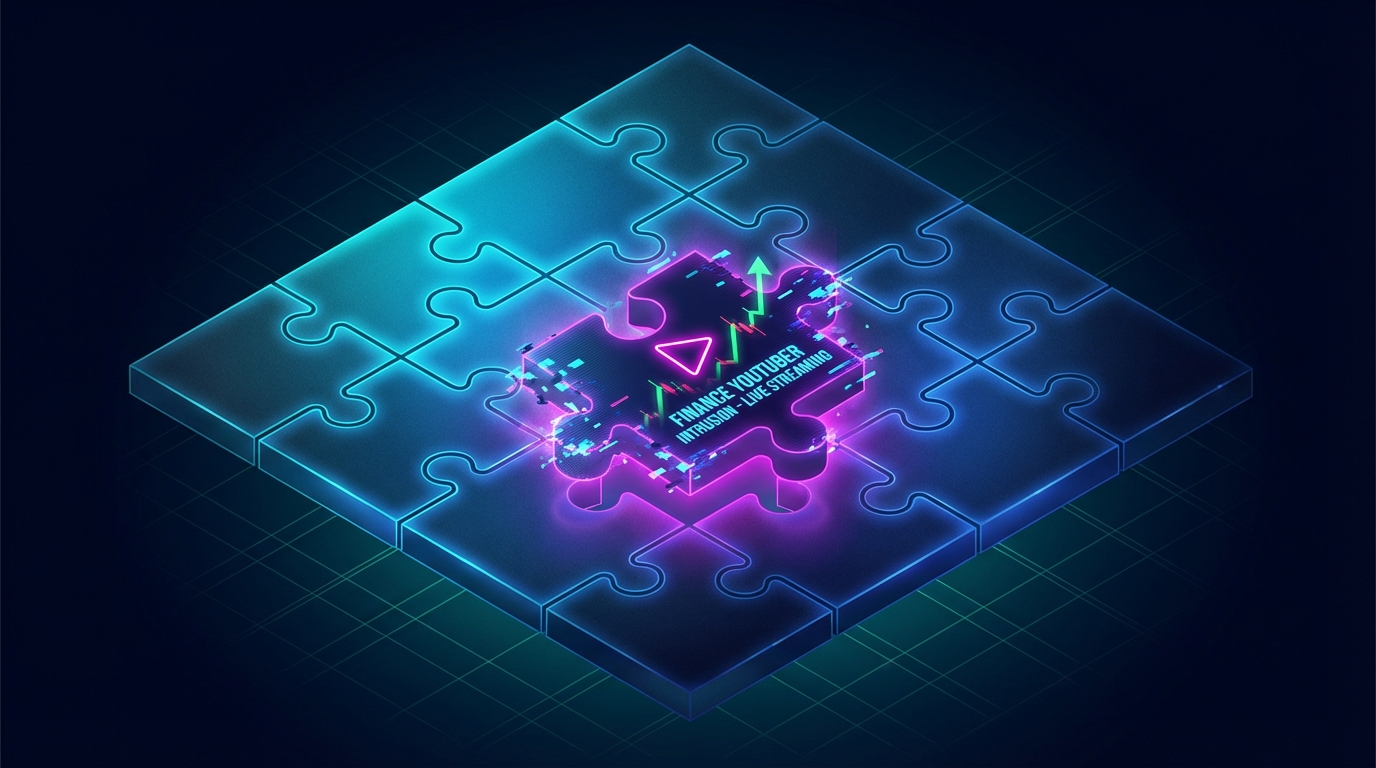
The mechanical failure here likely stems from a dynamic content injection error. Modern .gov websites are rarely static HTML; they are complex assemblages of APIs (Application Programming Interfaces) that pull data in real-time.
- The Vector: A CMS (Content Management System) likely pointed to a dynamic YouTube playlist or channel ID rather than a specific, static video asset.
- The Trigger: If the pointer was set to "Latest Upload" or an algorithmic "Recommended" feed, the site automatically pulled the most relevant (or erroneously linked) content without human intervention.
- The Result: The White House’s digital real estate was effectively sublet to a personal finance influencer.
The Complexity Tax
The architecture required to support these "digital-first" experiences creates a massive attack surface. When agencies layer modern engagement tools on top of legacy infrastructure, they introduce complexity bloat. According to A10 Networks' analysis of government vulnerabilities, this heterogeneity makes agencies particularly susceptible to breaches, as IT teams struggle to secure the seams between antiquated backends and modern front-end widgets.
This is not a theoretical risk. The complexity prevents administrators from seeing the full picture of their digital supply chain. A single misconfigured API token or a "lazy" code snippet that auto-plays a playlist can bypass layers of bureaucratic approval that usually gatekeep official communications.
Strategic Implications of the "Glitch"
While the streaming of investment advice appears benign, it occurred during a period of elevated digital sensitivity. The Homeland Security Committee's threat snapshot highlights that cyber threats remain heightened specifically during lapses in information sharing authorities, creating windows where oversight mechanisms—both human and automated—are slower to react.
The glitch exposes a critical delay in the OODA loop (Observe, Orient, Decide, Act) of government IT. If a finance YouTuber can occupy the homepage for eight minutes, a hostile state actor could theoretically exploit the same dynamic injection pathway to broadcast deepfakes or disinformation during a national crisis.
The Downside: The pursuit of "operational excellence" and automated content updates has created a Zero-Verification Environment for embedded media. By automating the pipeline between the White House and YouTube, the administration effectively delegated editorial control to an external algorithm. The efficiency of the system became its primary vulnerability.
The Digital Trust Deficit: What Comes Next
The Matt Farley incident is not merely a technical curiosity; it is a canary in the digital coal mine for government communications. While the immediate fallout was humorous—personal finance tips replacing executive policy—the strategic implication is severe: the White House momentarily lost sovereign control over its own digital territory.
For campaign strategists and C-level leaders, this exposes a dangerous fragility in the modern "API Economy." We are moving away from owned infrastructure toward a model of Platform Dependency, where critical government messaging relies on the stability and security of third-party integrations (like YouTube embeds).

The Modernization Paradox
The drive for a "Digital-First" government creates unavoidable friction between accessibility and security. According to the Office of Management and Budget's guidance on Delivering a Digital-First Public Experience, agencies are mandated to modernize websites and improve user experience to match private sector standards. However, this push for seamless integration often outpaces the security protocols required to vet those external connections.
When you prioritize "frictionless" content delivery, you often remove the air gaps that previously ensured security. The result is a system where a simple metadata error or API token mismatch allows external content to override official messaging.
The "Legacy" Liability
This vulnerability is exacerbated by the aging infrastructure supporting these modern front-ends. As detailed in A10 Networks' analysis of government vulnerabilities, agencies are frequently hamstrung by legacy systems that cannot effectively monitor or filter the complex traffic patterns generated by modern content streaming services.
The Strategic Risk Matrix:
| Risk Vector | Traditional Threat | The "Matt Farley" Threat |
|---|---|---|
| Attack Type | DDoS / Brute Force | Logic Injection / API Misconfiguration |
| Goal | Service Denial | Message Usurpation |
| Outcome | Site goes offline | Site broadcasts unauthorized narrative |
| Defense | Firewall / Hardening | Content Governance Protocols |
The "Trojan Horse" of Content
The real danger here isn't finance advice; it's the proof of concept for information warfare. If an algorithmic glitch can inject benign content, a sophisticated adversary could intentionally exploit the same pathway to broadcast a "Deepfake" declaration of emergency or a fabricated resignation speech.
The Downside: We have effectively outsourced the chain of custody for official information. By relying on dynamic content feeds rather than static, verified assets, the Executive Branch has allowed its digital presence to become permeable. The efficiency of streaming video has come at the cost of absolute editorial authority.
Strategic Implication: Campaign leaders must audit their digital estates immediately. If your "News" section relies on an automated RSS or social feed, you are not a publisher; you are merely a re-broadcaster susceptible to signal hijacking. Future digital architectures must prioritize Sovereign Content Hosting—where the source file lives on your server, not just the embed code.
The Sovereign Infrastructure Mandate
The unintended broadcast of personal finance content on the White House website is not merely a technical glitch; it is a strategic signal that the era of "permissive integration" is over. For campaign strategists and government CIOs, the future demands a shift toward Digital Sovereignty. We can no longer treat third-party APIs (Application Programming Interfaces) as benign utilities; they must be viewed as potential vectors for reputation hijacking.
To secure the digital perimeter, organizations must move beyond basic firewall protections and address the structural integrity of how content is delivered. As highlighted in the Government Report's Roadmap to Enhancing Internet Routing Security, the path forward requires a fundamental shift in how we verify the origin and transit of digital assets. The roadmap emphasizes that relying on unverified routing protocols creates vulnerabilities that bad actors—or simple algorithmic errors—can exploit.
Strategic Action Plan:
- Enforce Strict Content Security Policies (CSP): Implement rigorous whitelisting that blocks any script or frame not explicitly authorized, neutralizing rogue embeds before they render.
- Decouple the Presentation Layer: Move from dynamic, real-time social feeds to cached, static snapshots. This introduces a "verification buffer" (e.g., a 5-minute delay) allowing automated moderation tools to scan content before it goes live.
- Audit the Supply Chain: Treat digital vendors like physical contractors. If a third-party video player changes its code, your site should automatically reject the update until it passes a sandbox test.

The Fortress Paradox
The Downside: Hardening these digital assets imposes a "Usability Tax." By restricting dynamic feeds and third-party integrations, agencies risk making their platforms feel sterile or outdated. The challenge for the C-suite is balancing the absolute security of a "digital fortress" with the public's expectation of a responsive, real-time government interface. Over-security can lead to a user experience that is safe, but ultimately irrelevant.
TL;DR — Key Insights
- White House website accidentally streamed personal finance YouTuber @RealMattMoney for eight minutes, exposing digital vulnerability.
- This "phantom endorsement" risk highlights how government sites can inadvertently legitimize private content, especially in finance.
- The incident reveals a "Digital-First" modernization paradox, where reliance on third-party platforms creates porous security perimeters.
- This vulnerability serves as a proof-of-concept for more malicious disinformation or phishing exploits, necessitating immediate audits.
Frequently Asked Questions
What happened on the White House website on December 19, 2025?
Visitors to the White House's official website were unexpectedly shown an eight-minute stream from personal finance YouTuber @RealMattMoney instead of expected government content, highlighting a significant digital security vulnerability.
Why is a short stream of a YouTuber on the White House site a concern?
This incident creates a "phantom endorsement" risk, potentially implying government sanction of private content. It raises questions about market manipulation, regulatory confusion, and the overall integrity of federal digital infrastructure.
How did this unauthorized stream occur?
The article suggests a "Digital-First" modernization strategy, relying on third-party platforms and dynamic content, created a vulnerability. A misconfiguration in the Content Management System likely pulled the wrong content from an external source like YouTube.
What are the broader implications of this incident?
It signifies a "Digital Sovereignty" issue, where government digital assets are susceptible to external content injection. This serves as a proof-of-concept for more malicious exploits like disinformation campaigns or phishing attempts.